The guiding principle of this newsletter is that the stories are driven by my personal curiosity and wonder, rather than bound by a specific theme or period. But from time to time, I do look for a through-line from one story to the next.
This fortnight I’m spinning off from the story of Alice Cornwallis being gifted property in her own name (which was itself a spin-off from my look at the history and significance of John Stow’s ‘A Survey of London’), into a centuries-spanning, two-act tale of women’s struggle for inheritance.
The topic jumped out to me while recently watching a documentary about Knole, a stately home in Kent, southeast England.
The women of this story – who I was aware of individually, but not connected to this place – both lived at Knole in different periods. Both left important written legacies penned during and inspired by their time there. And both – despite having titles, money, and status – could not overcome the patriarchal cultural and legal conventions that prevented them from inheriting ancestral property.
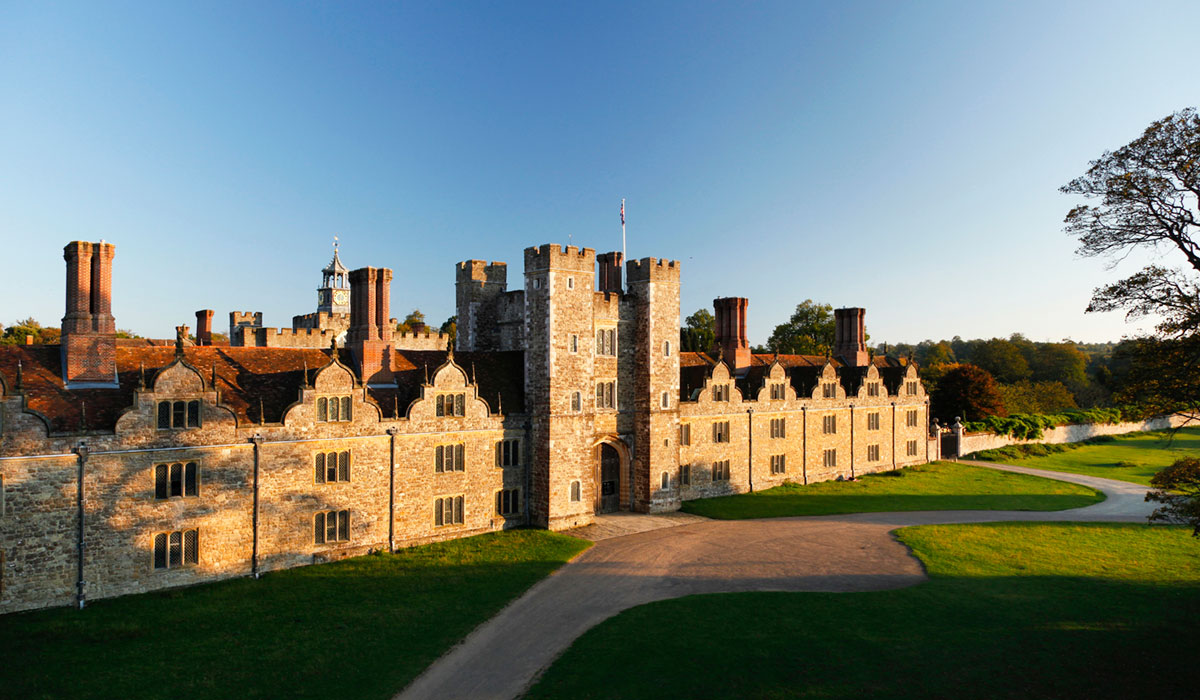
The west front of Knole.
Fun fact before we get started: Knole is another one of those grand buildings – this one owned at the time by the Archbishop of Canterbury, Thomas Cranmer – where, in 1538, King Henry VIII did his ol’: “I like what you’ve done with the place, you don’t mind if I take it, do you?!” (See also: Hampton Court Palace and Whitehall Palace).

Anne Clifford (1590-1676)
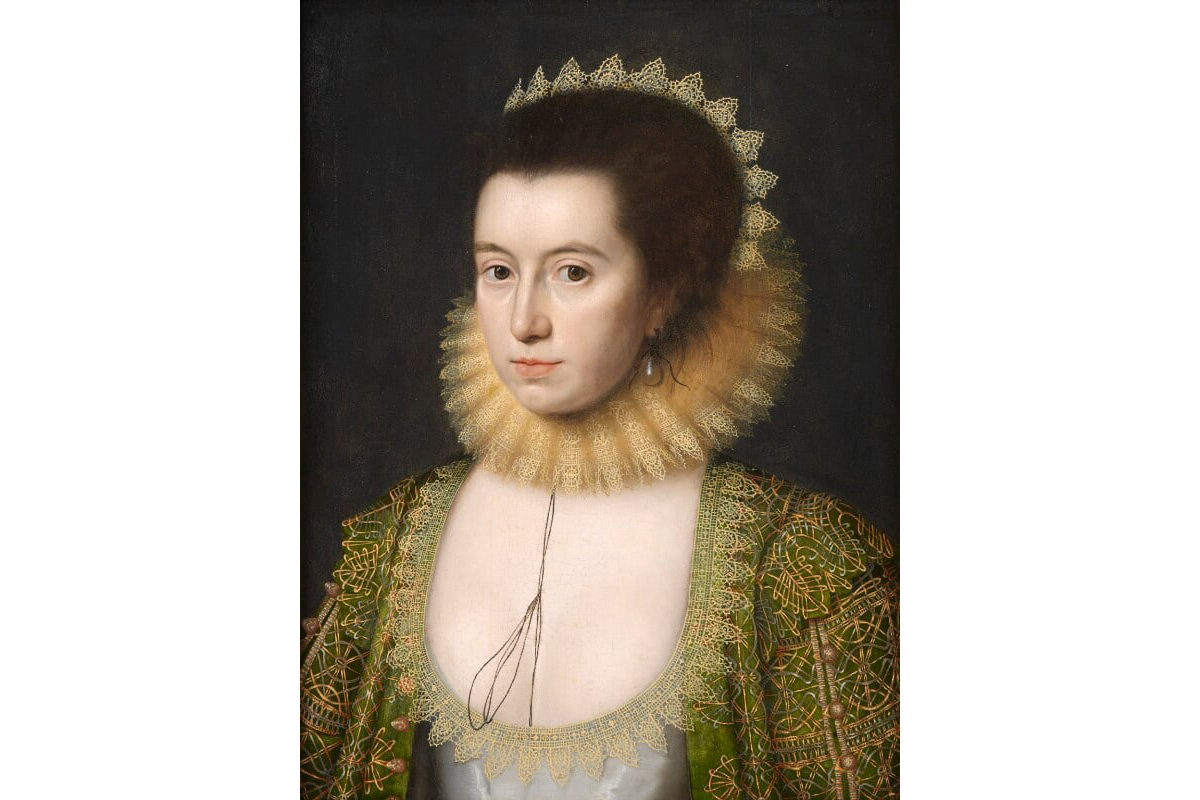
Anne, Countess of Pembroke (Lady Anne Clifford), by William Larkin, oil on panel, c.1618. Image © National Portrait Gallery, London (NPG 6976).
Anne was the daughter of George Clifford, 3rd Earl of Cumberland, and his wife, Margaret. She had two brothers who died young, making her the family’s sole heir. Or so she thought.
When George died in 1605, rather than leaving the extensive Clifford estate (which included five castles) to Anne, he left it to his brother, Francis.
What’s interesting is that George’s will contravened family deeds (or, an ‘entail’) dating back to the 13th Century that said property should descend lineally to the eldest direct heir, regardless of their gender.
Anne was rightly angered at being denied, and with the support of her mother, launched a legal bid to claim her inheritance.
In an article for a yearbook about politics, patronage and literature in England 1558-1658, Barbara K. Lewalski described the case as the two women “setting themselves against the entire Jacobean patriarchy: male relatives, their husbands, court society, the Archbishop of Canterbury, and King James himself”.
In 1609 Anne married Richard Sackville, 3rd Earl of Dorset, and moved to Knole. They had five children together – three sons, who died young, and two daughters. Now under the legal coverture of her husband, Richard took charge of Anne’s lawsuit and pressured her to accept a pay-out. She refused.
She recorded details of the legal battle, the ups and downs of her marriage, and life at Knole, in her diary. It survives as a valuable example of women’s personal writing from the 17th Century. (Vita Sackville-West edited and published the diary with her own introduction in 1923.)
Anne left Knole in 1624 when Richard died (by this stage he had racked up huge debts, sold Knole, and was renting it back). She married again (to Philip Herbert, 4th Earl of Pembroke), and continued to fight for her inheritance.
Despite the Clifford custom that dictated Anne should have inherited the estate – backed up by evidence she provided from extensive historical and genealogical research – court rulings went against her.
She refused to accept offers of a settlement from her uncle Francis, who died in 1641, or his son Henry, whom her family’s estate then passed to. Anne’s only hope was that her cousin would die without a surviving son, in which case everything would revert to her.
Lewalski described that Anne “saw herself as a kind of female David taking on the Goliath of the patriarchal power structure to claim the rights of a daughter and preserve the interests of a female line”.
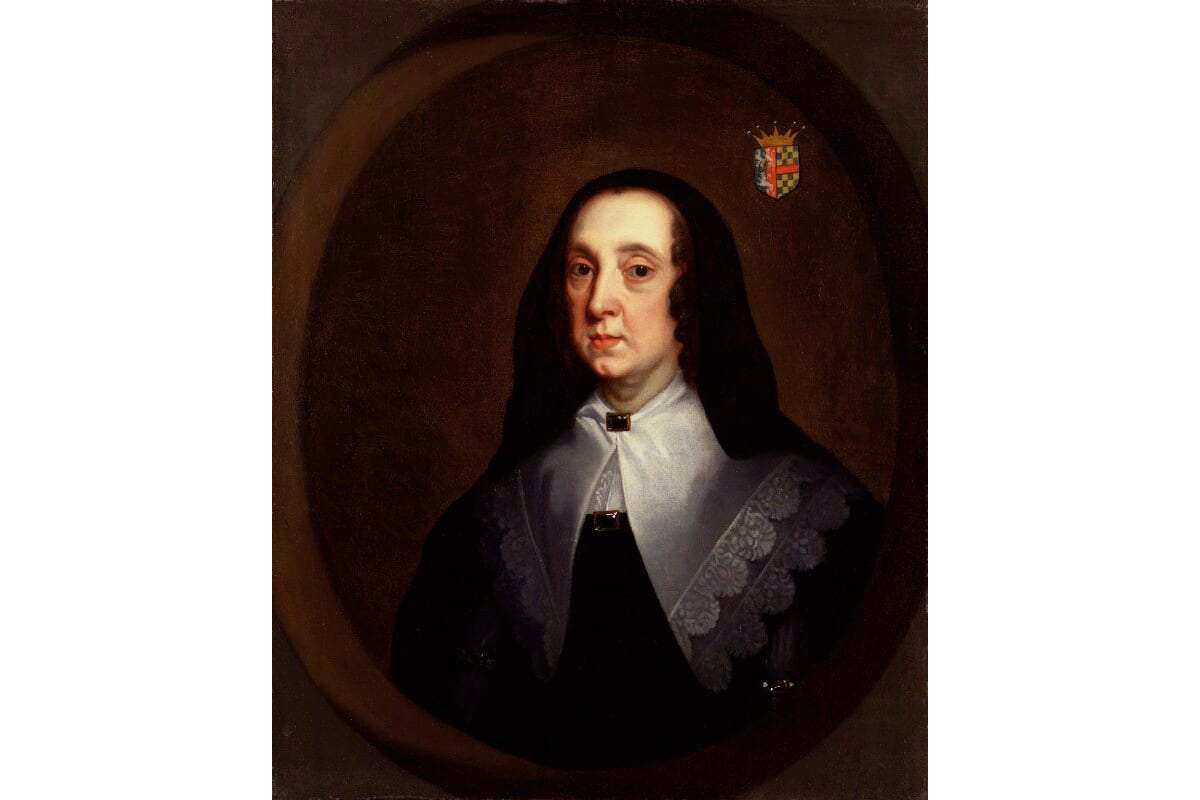
Anne, Countess of Pembroke (Lady Anne Clifford), after Sir Peter Lely, oil on canvas, feigned oval, c.1650, based on a work of c.1646. Image © National Portrait Gallery, London (NPG 402).
Her persistence eventually paid off. In 1643, almost 40 years after her father’s death and the start of her legal battle, Anne won by default, when Henry died heirless.
Now in her 50s (and after another few years waiting out the worst of the Civil War), Anne could finally return to her ancestral homelands in the north of England. She devoted the final three decades of her life to restoring the five castles (some of which had been left to ruin) and other buildings across her properties, and supporting the local poor. She also published ‘The Great Books of Record’, a three-volume Clifford family history based on the research she’d conducted during her legal battle.
When Anne died in 1676, her long-fought-for inheritance meant she was one of the wealthiest women in the country. She left the Clifford estate to her surviving daughter, Margaret.
Vita Sackville-West (1892-1962)
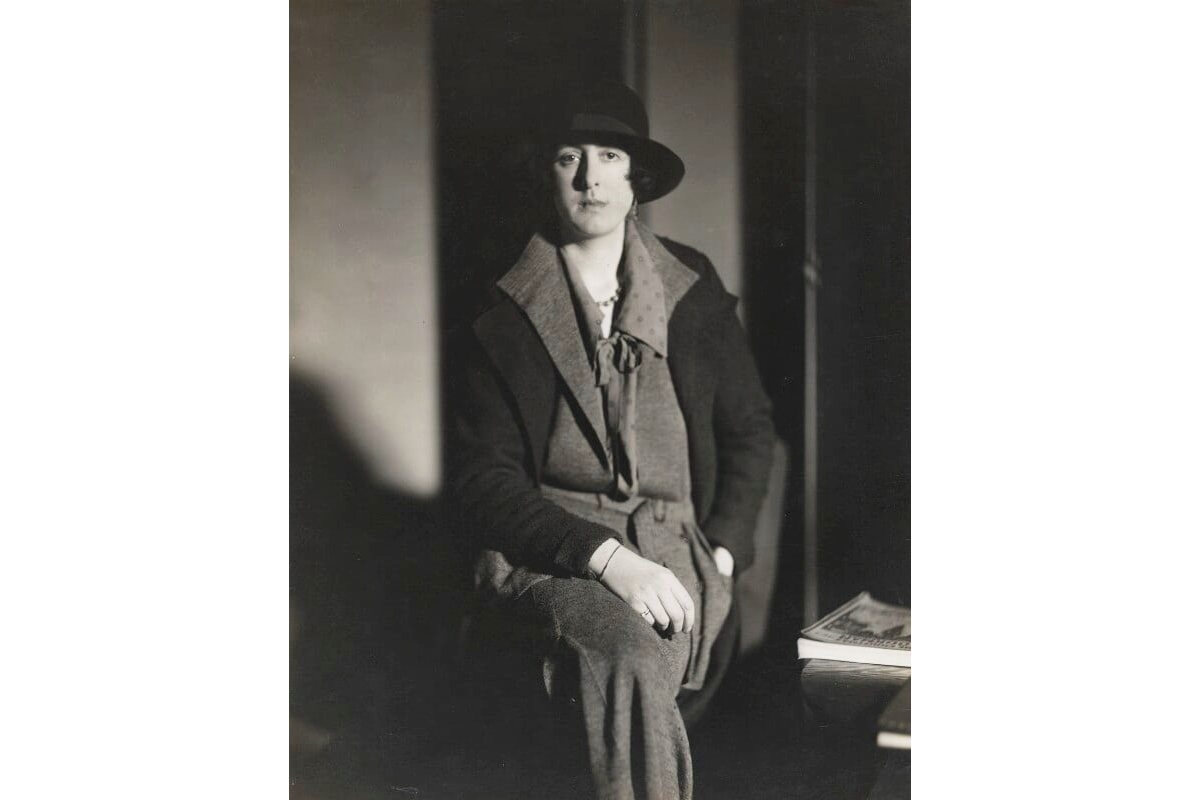
Vita Sackville-West, by Howard Coster, print, c.1927. Image © National Portrait Gallery, London (NPG x10667).
Vita (baptised Victoria Mary) was the only child of Lionel Sackville-West and his wife (who was also his first cousin) Victoria. She was born at the family’s ancestral home, Knole, which her father later inherited in 1908, making him 3rd Baron Sackville.
Vita developed a profound attachment to Knole. In her writings, she described it variously as a maternal figure and as a lover. But it was a doomed love. As a daughter – under the laws of male primogeniture – she was unable to inherit it.
But rather than challenging her denial of hereditary privilege in the courts, she explored it through writing. So too did one of her lovers, Virginia Woolf.
Vita’s novel, ‘The Edwardians’, tells the story of a brother and sister, their respective destinies of ancestral and feminine inheritance, and their questioning of the ‘natural’ order of the period and their class. It’s set at Chevron, a grand house based on Knole. In her author’s note, Vita wrote: “no character in this book is wholly fictitious”.
Woolf went even further in ‘Orlando’, a time travelling tale in which the title character, based on Vita, changes sex part way through the book. Crucially, even as a woman, Orlando keeps ownership of the ancestral home, which stands in for Knole. Vita’s son, Nigel Nicolson, said of the book: “Virginia by her genius had provided Vita with a unique consolation for having been born a girl, for her exclusion from her inheritance” and described the work as “the longest and most charming love-letter in literature”.
Vita further expressed her dedication to Knole, and explored her family’s relationship to it, in her history ‘Knole and the Sackvilles’. It traces her ancestors’ ownership of the house from the 16th Century to the death of her grandfather in the 19th Century. (It also includes a section on Anne Clifford, who Vita described as “a lady of some fame and a great deal of character” who was “the legal heiress of the North, and the North she would have”.)
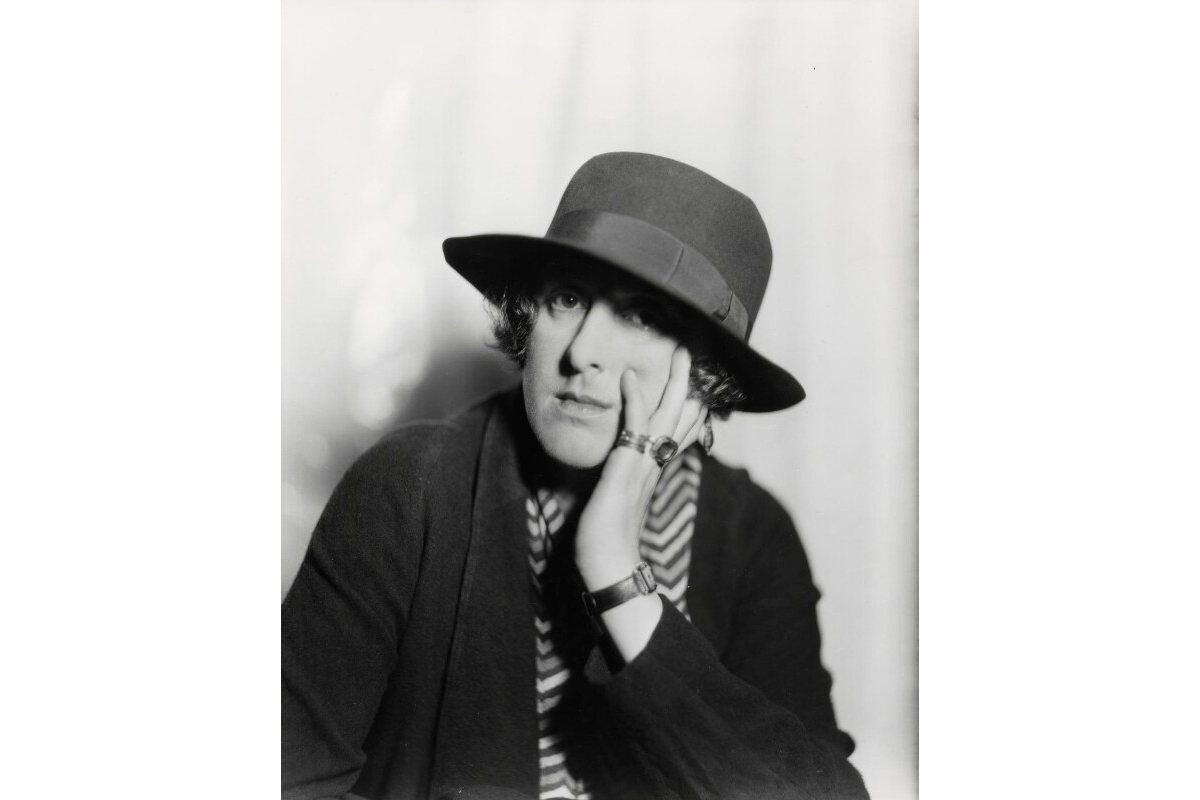
Vita Sackville-West, by Howard Coster, 10 x 8 inch film negative, 1934. Image © National Portrait Gallery, London (NPG x12030).
In 1913, Vita had married the diplomat and writer Harold Nicolson, and together they had two surviving sons. (It was an unconventional relationship, which included each taking various same-sex lovers, eg: Virginia Woolf.) After initially moving to a house just a few miles from Knole, the pair bought the run-down Sissinghurst Castle, also in Kent, in 1930. It’s this home that I most closely associate with Vita, and it’s here that she cultivated the property’s now famous garden.
When her father died in 1928, Knole had passed to Vita’s uncle, Charles Sackville-West. It was also around this time that Vita began talks with the National Trust about taking on the property and opening it to the public, which it did from 1946. In so doing, Vita ensured that Knole became an inheritance for all of us.
Sources:
- Susan Bazargan, ‘The Uses of the Land: Vita Sackville-West’s Pastoral Writings and Virginia Woolf’s “Orlando”’, Woolf Studies Annual, Vol. 5 (1999).
- Jane De Gay, ‘Virginia Woolf’s Feminist Historiography in “Orlando”’, Critical Survey, Vol. 19, No. 1 (2007)
- J. Hochstrasser, ‘West, Victoria Mary [Vita] Sackville (1892–1962)’, Oxford Dictionary of National Biography (2017).
- Dr Sue Jones, ‘Single Parent History: Lady Anne Clifford – historic legal battles, philanthropy and independence’, Gingerbread (2022).
- ‘Knole’ and sub-pages, The National Trust.
- Barbara K. Lewalski, ‘Re-Writing Patriarchy and Patronage: Margaret Clifford, Anne Clifford, and Aemilia Lanyer’, The Yearbook of English Studies, Vol. 21, Politics, Patronage and Literature in England 1558-1658 (1991).
- Sackville-West, Knole and the Sackvilles (1922).
- ‘Women in history: Lady Anne Clifford’, English Heritage.